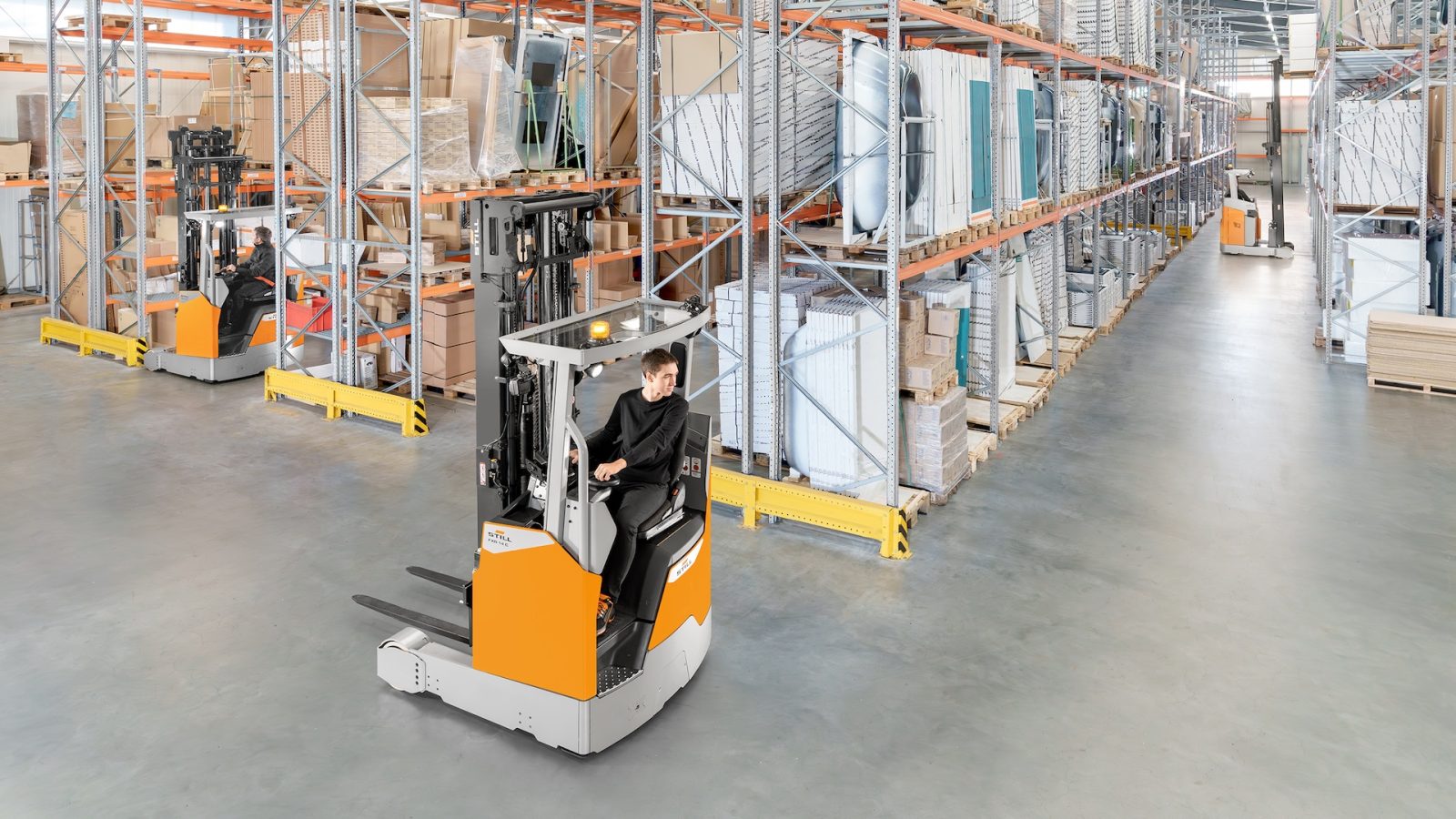
A reach truck is an electric forklift designed for racked warehouses. Its defining feature is a mast that can move forward and retract into the truck body. While travelling, the pallet sits neatly between the two support legs, so the truck is short and stable. The mast only reaches forward when picking up or putting away goods. As a result, a reach truck can work in narrower aisles than a counterbalance forklift while still lifting goods very high.
Basic design of a reach truck
- Two front support legs: fitted with wheels that run along both sides of the pallet, keeping the truck stable without the large counterweight of a counterbalance forklift.
- Moving mast: runs on rails between the support legs, reaching forward to pick up or place goods and retracting while the truck travels.
- Operator cab: laid out so the operator can see both the direction of travel and the forks when working at height. Some models have a tilting seat for a more comfortable upward view, such as the STILL FM-4W.
- Battery: housed in the truck body; many STILL reach truck models are available in a lithium-ion version.
This design allows a reach truck to combine two usually conflicting advantages: a short chassis that can turn in narrow aisles and the ability to place goods on high rack levels.
Advantages of a reach truck
- Saves aisle space: narrower aisles than a counterbalance truck of the same capacity, which means more rack rows in the same warehouse area.
- High lifting: the STILL FM-X reach truck stores goods up to 14 m and still has a residual capacity of 1,000 kg at 13 m.
- Electric drive: no emissions and quiet operation – ideal for enclosed warehouses, food operations and cold stores.
- Good visibility and assistance systems: premium models feature active load stabilisation (ALS on the FM-X), which reduces mast sway at height for faster and safer put-away.
Limitations to be aware of
- It needs an even floor and has small wheels, so it is not suited to rough outdoor surfaces (except special-tyre versions such as the FM-X SE).
- It cannot replace a counterbalance truck for loading and unloading containers or high-bed lorries.
When should you choose a reach truck?
- The warehouse has selective racking from about 6 m upwards.
- You want to increase pallet locations without expanding the warehouse.
- Goods are mainly on standard pallets and the truck works indoors.
If the aisles need to be even narrower and racks are taller than 14 m, consider very narrow aisle (VNA) trucks such as the MX-X or NXV. If racks are low and travel distances short, a stacker may be sufficient at a lower cost.
STILL reach truck range
| Model | Capacity | Best suited to |
|---|---|---|
| FM-X | 1.0–2.5 t | High-bay warehouses, up to 14 m, intensive use |
| FM-X SE | 1.4–2.0 t | Both indoor and yard use thanks to super-elastic tyres |
| FM-4W | 2.0–2.5 t | 4-way, for long and bulky goods: pipes, bars, panels |
| FXR 14C–18C | 1.4–1.8 t | Compact, for warehouses with narrow aisles |
| FM-X iGo | – | Automated version for automated warehouses |
See the full STILL reach truck range.
Things to consider when introducing reach trucks
- Use the aisle width for the exact configuration: the working aisle width depends on the model, pallet size and fork length. Use the figures in the data sheet for the exact configuration rather than estimating from another truck.
- Survey floor flatness: at height, a small unevenness in the floor causes significant mast tilt at the top. The warehouse floor should be checked before fixing the storage height.
- Compare residual capacity with the highest rack level: for example, the STILL FXR 14C–18C offers a residual capacity of up to 940 kg and a storage height of up to 11 m; the STILL FM-4W can lift loads of 1,000 kg to a height of 9.5 m.
- Match the truck to the workload: the FXR 14C–18C suits warehouses running one or two shifts; the FM-X is aimed at high-bay warehouses with intensive goods handling.
- Plan for safety: mark the aisles, define no-pedestrian zones while the truck is working at height and inspect racking regularly.
Frequently asked questions
How does a reach truck differ from a stacker?
A stacker is usually a pedestrian or platform truck with a fixed mast, used for low racks and short distances. A reach truck has an operator cab and a moving mast, lifts higher and delivers higher productivity.
Do reach truck operators need special training?
Yes. Reaching the mast forward and working at height differ from operating a counterbalance truck. See our forklift operator training.
How high can a reach truck lift?
It depends on the model. The STILL FM-X stores goods up to 14 m, the FXR 14C–18C up to 11 m, and the FM-X SE (seated operator, super-elastic solid tyres) up to about 8 m. The higher the lift, the lower the residual capacity, so check the load chart for each configuration.
Send your warehouse floor plan and rack height via a quote request or call our hotline 0902 63 79 70 – we will calculate the aisle width and recommend a suitable model.
Real delivered projects
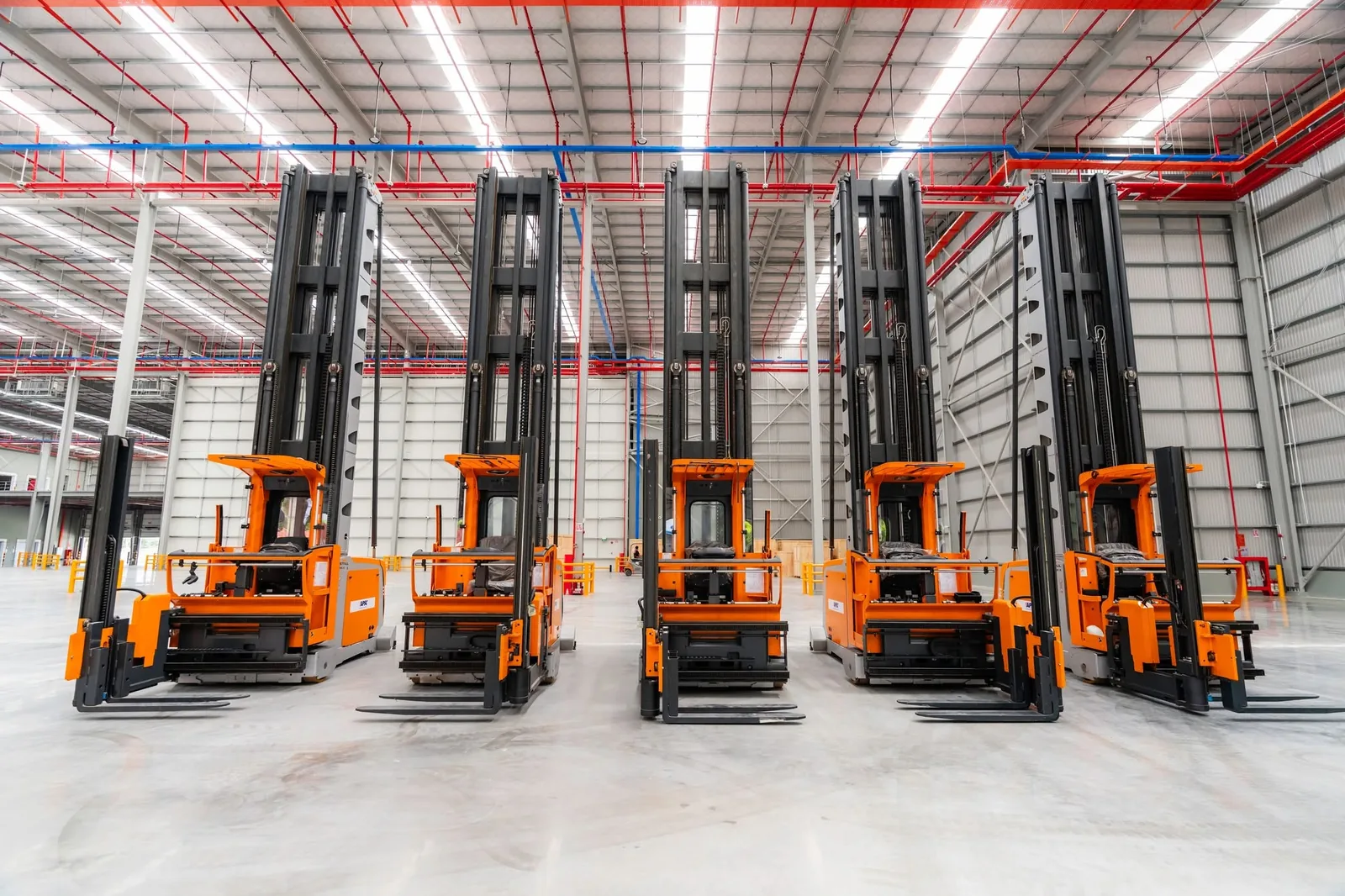
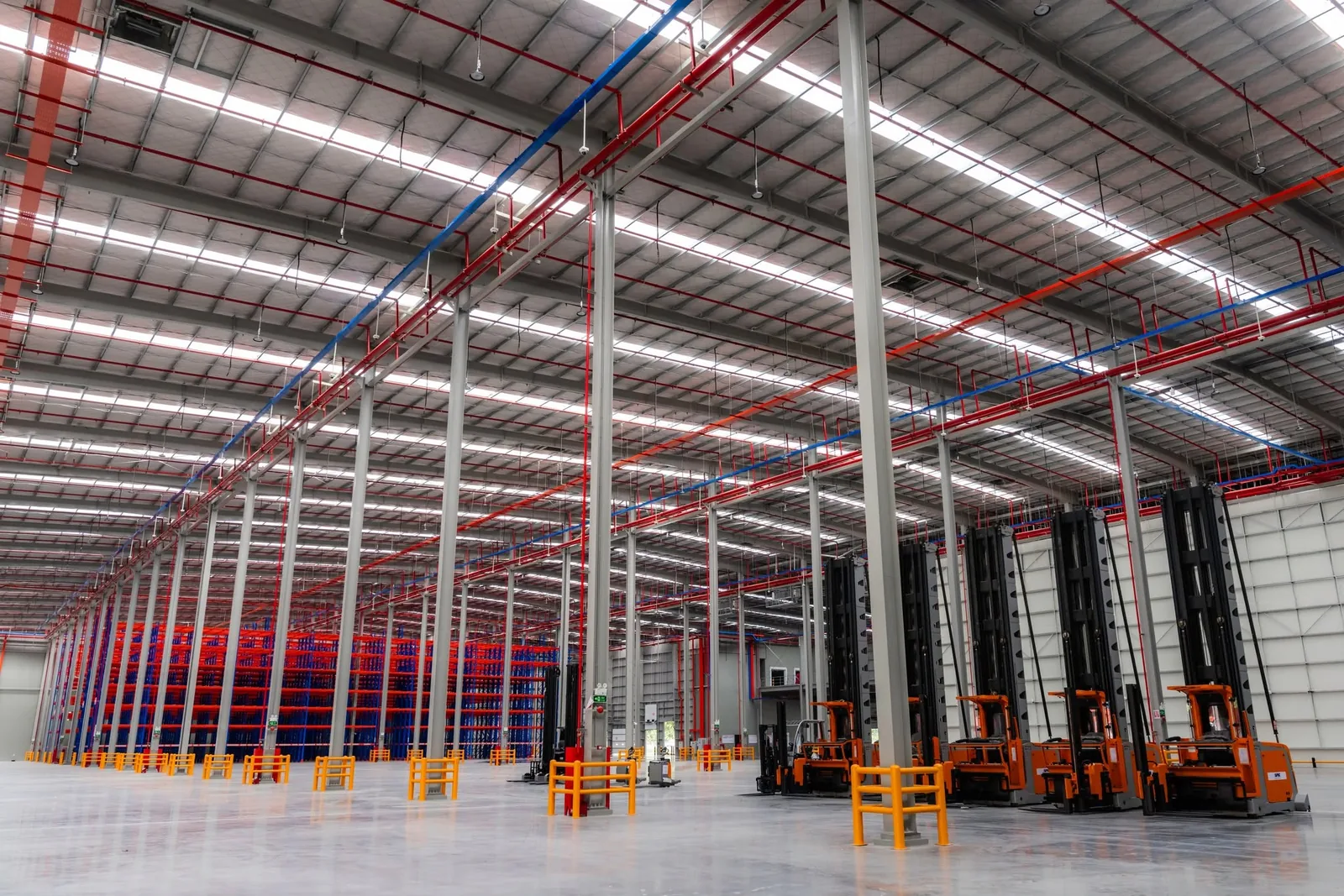
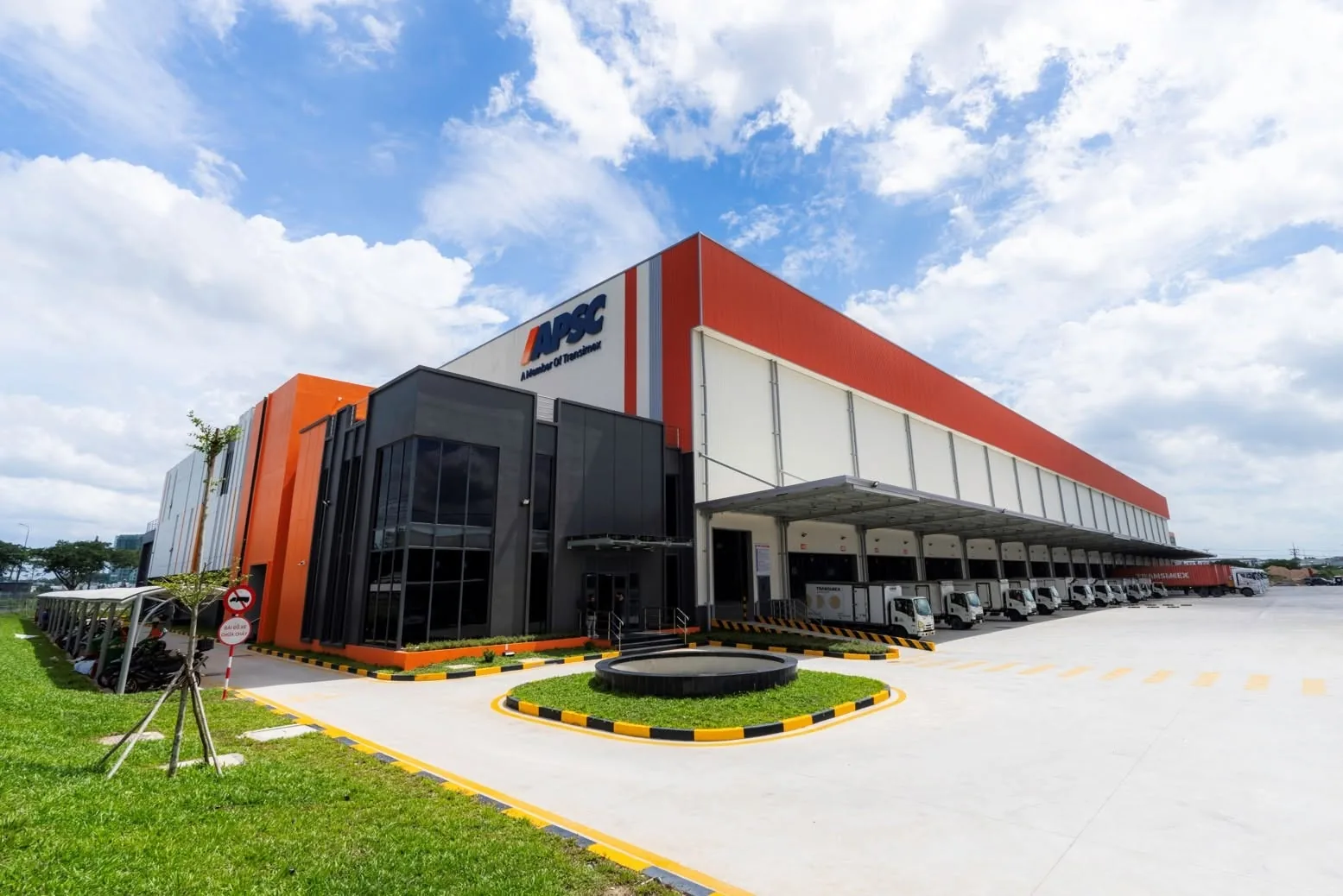
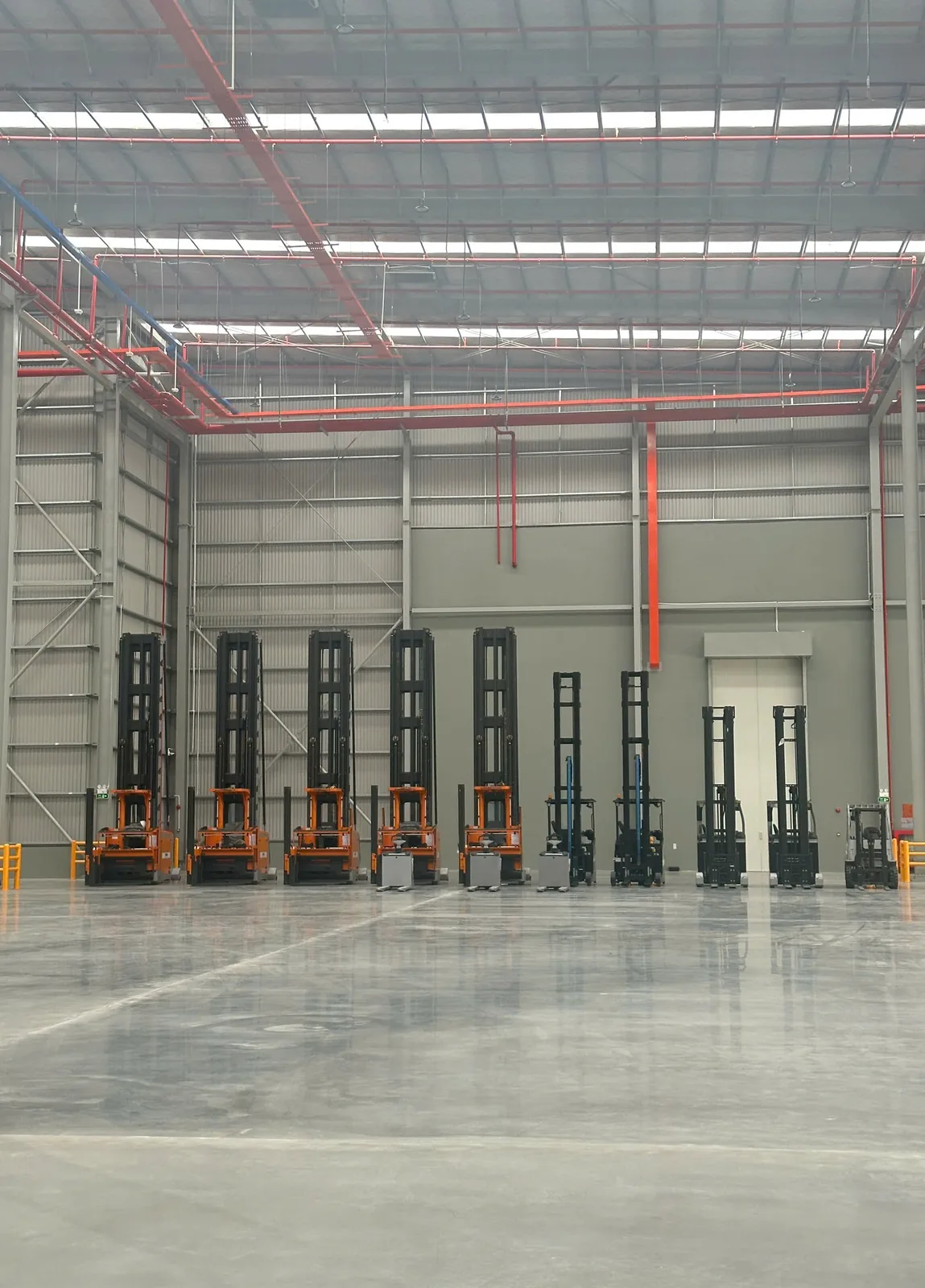
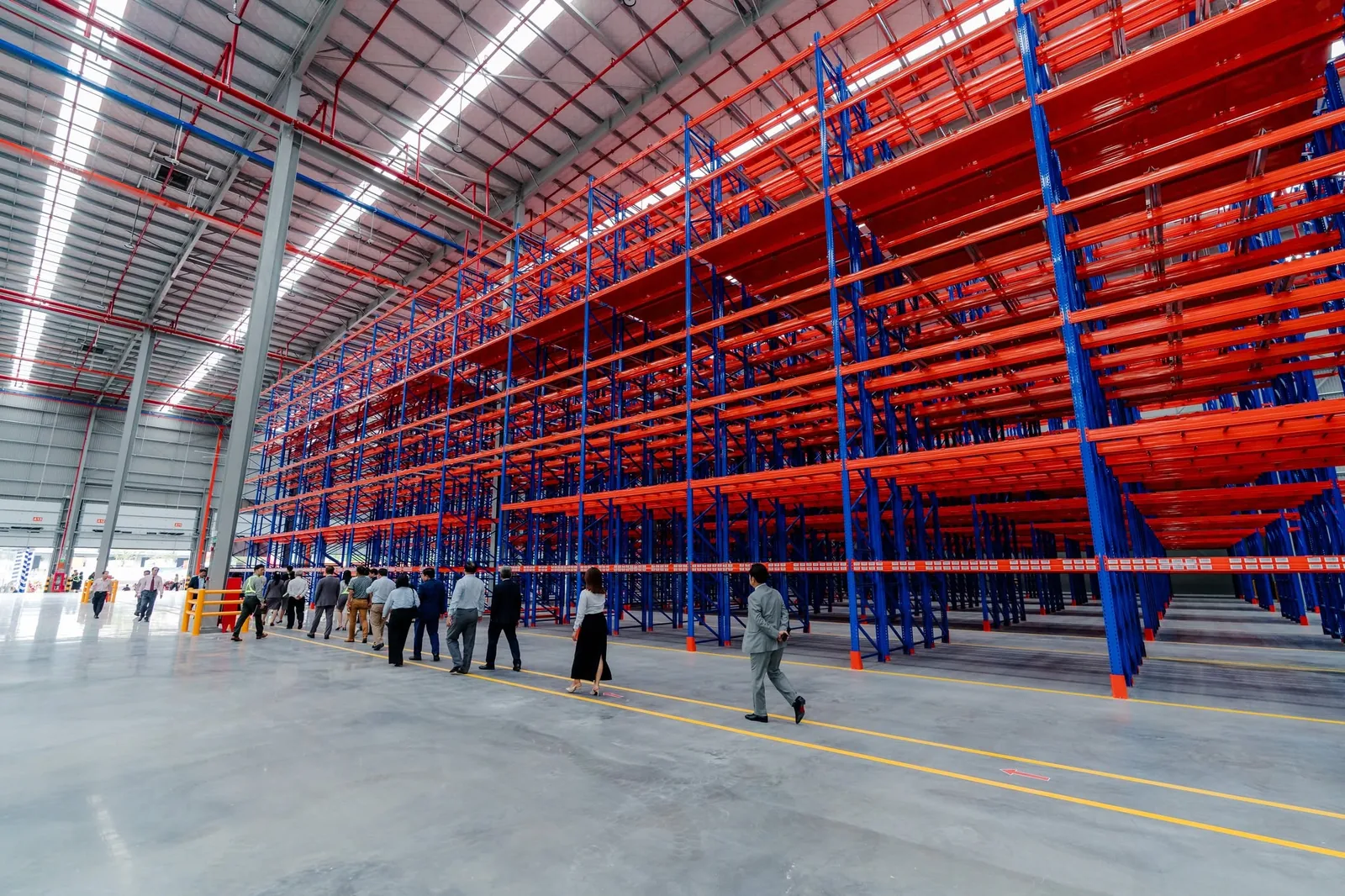
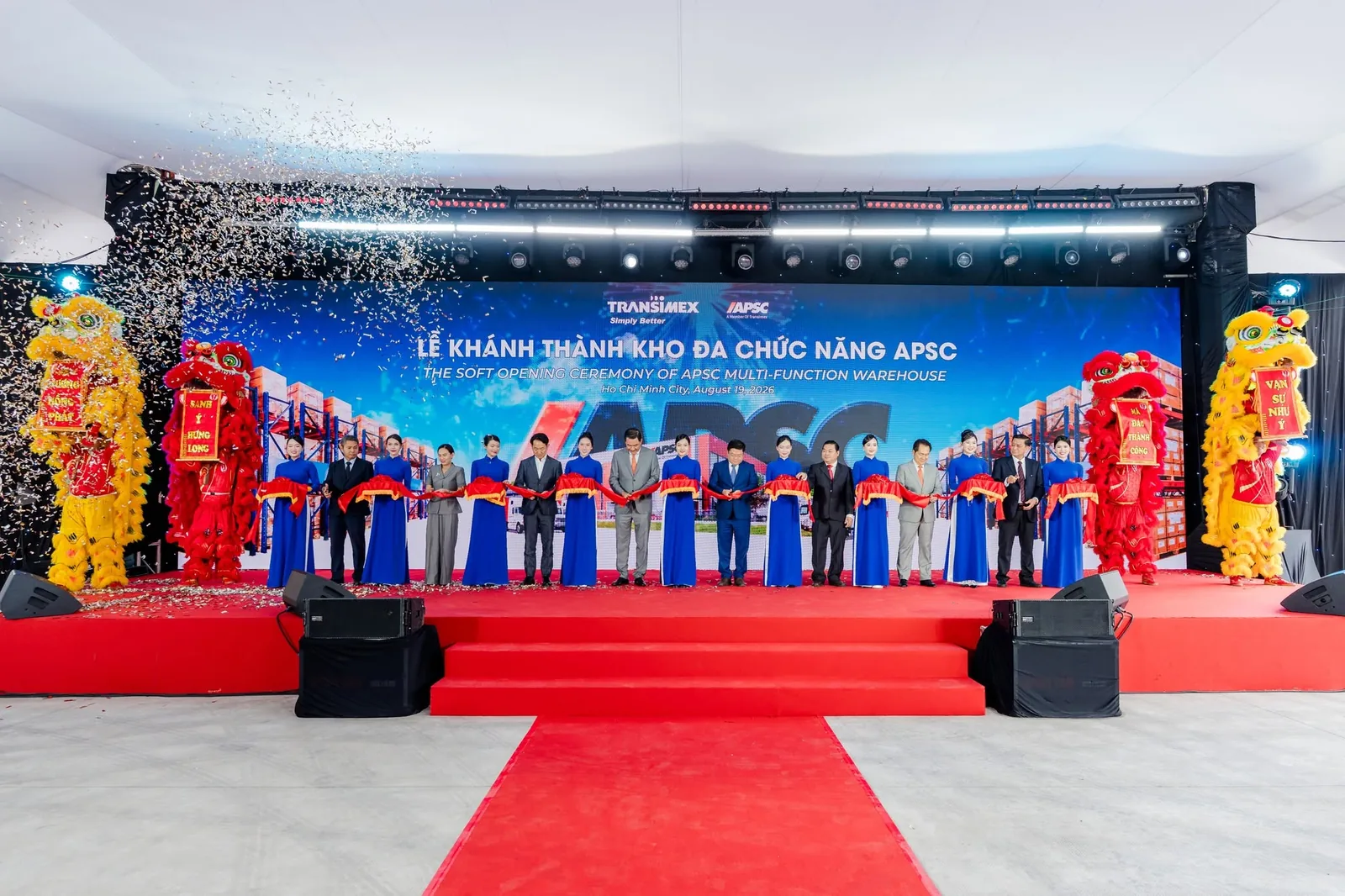
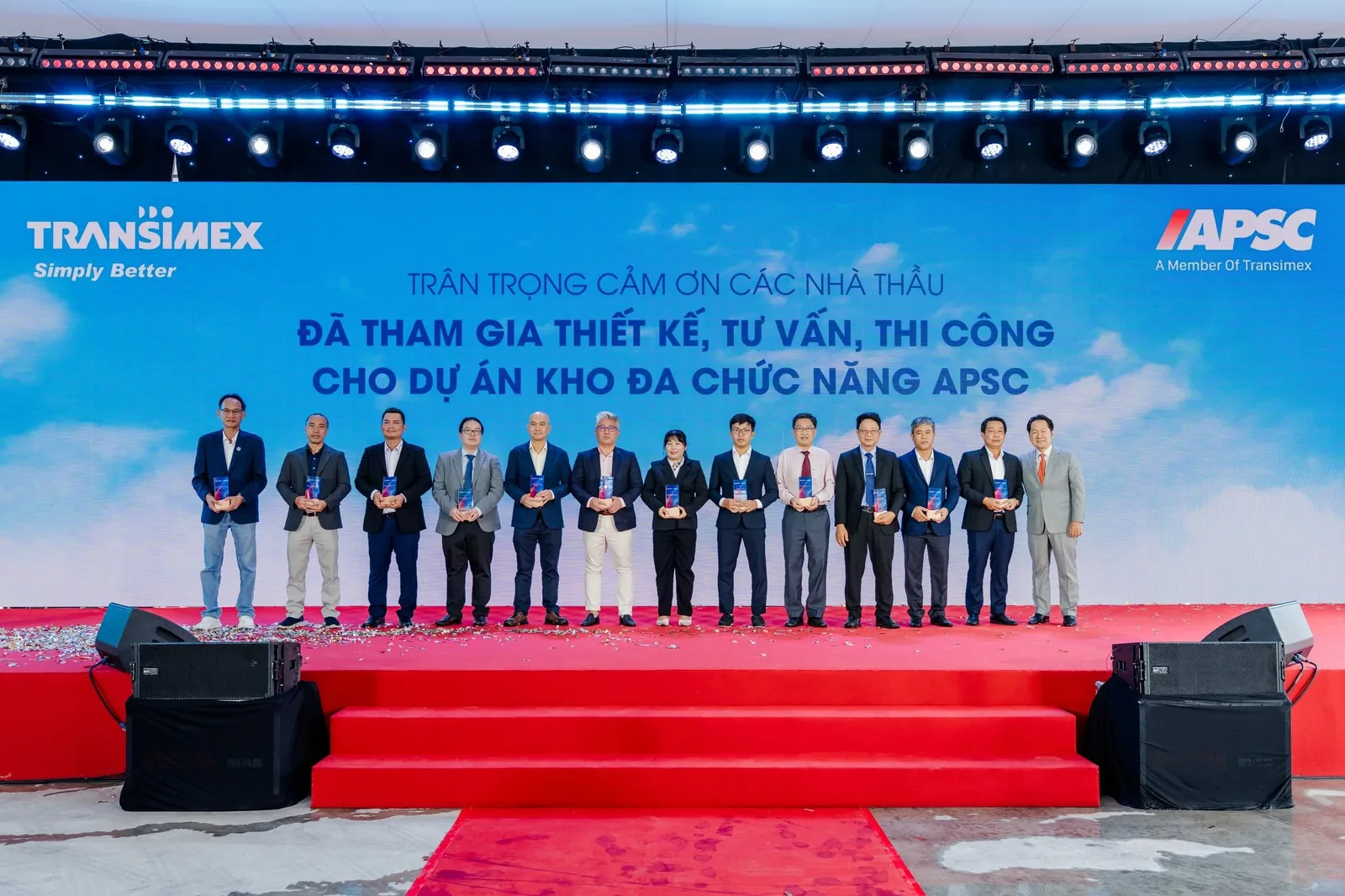
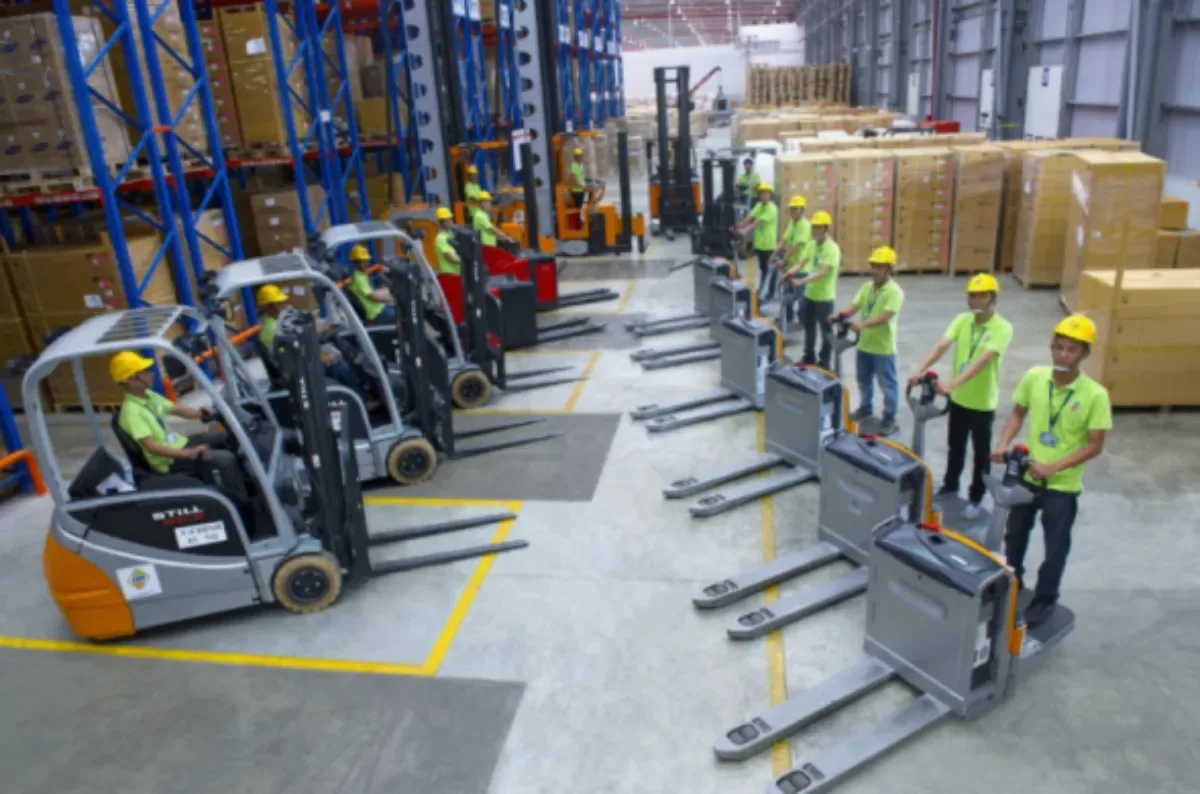
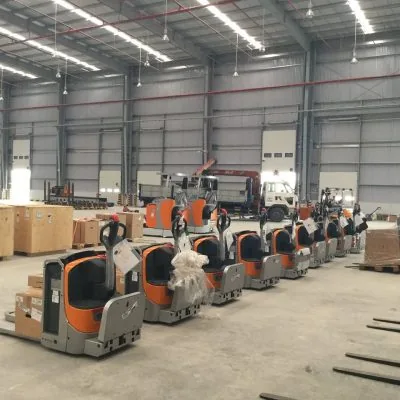
APSC multi-function warehouse – Transimex
- 5 MX-X VNA trucks, 2 FM-X reach trucks and 1 RCE electric forklift
- Handover: 07/2026
- Warehouse area: 36,000 m²
- Capacity: 33,000 pallets
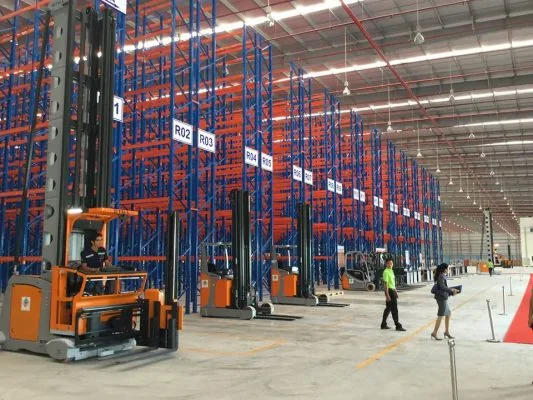
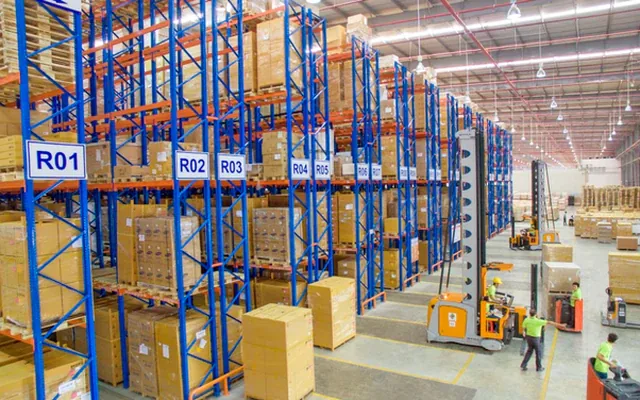
Transimex bonded warehouse, District 9
- Lift height: 12 m
- Phase 1 (2016): 4 MX-X, 2 FM-X 20, 6 EXU 20, 2 RX 20-20
- Phase 2 (2017): 2 MX-X, 2 EXU 20
- Phase 3 (2018–2019): 2 MX-X
- Phase 4 (2020–2021): 4 MX-X
Long An cold store
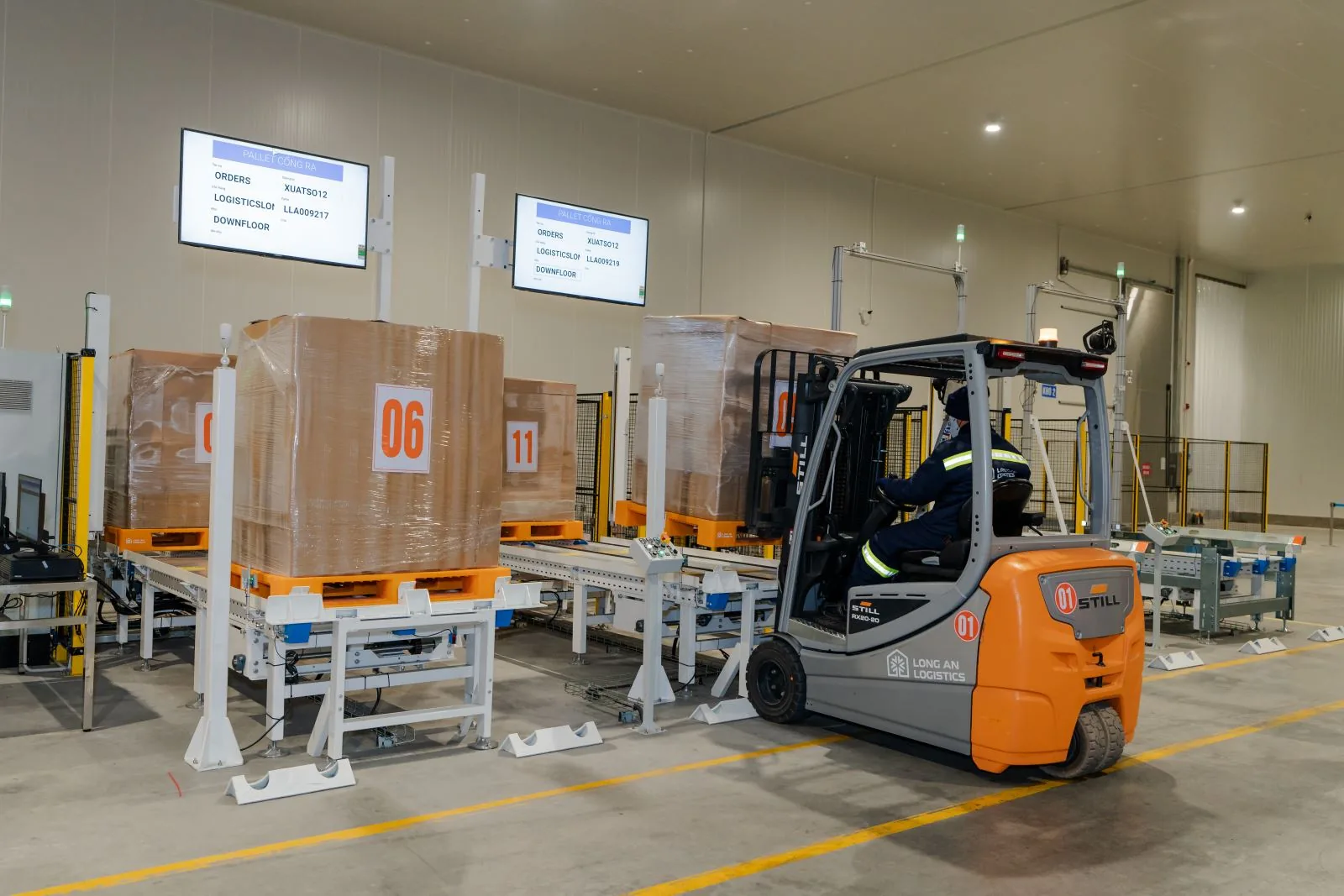
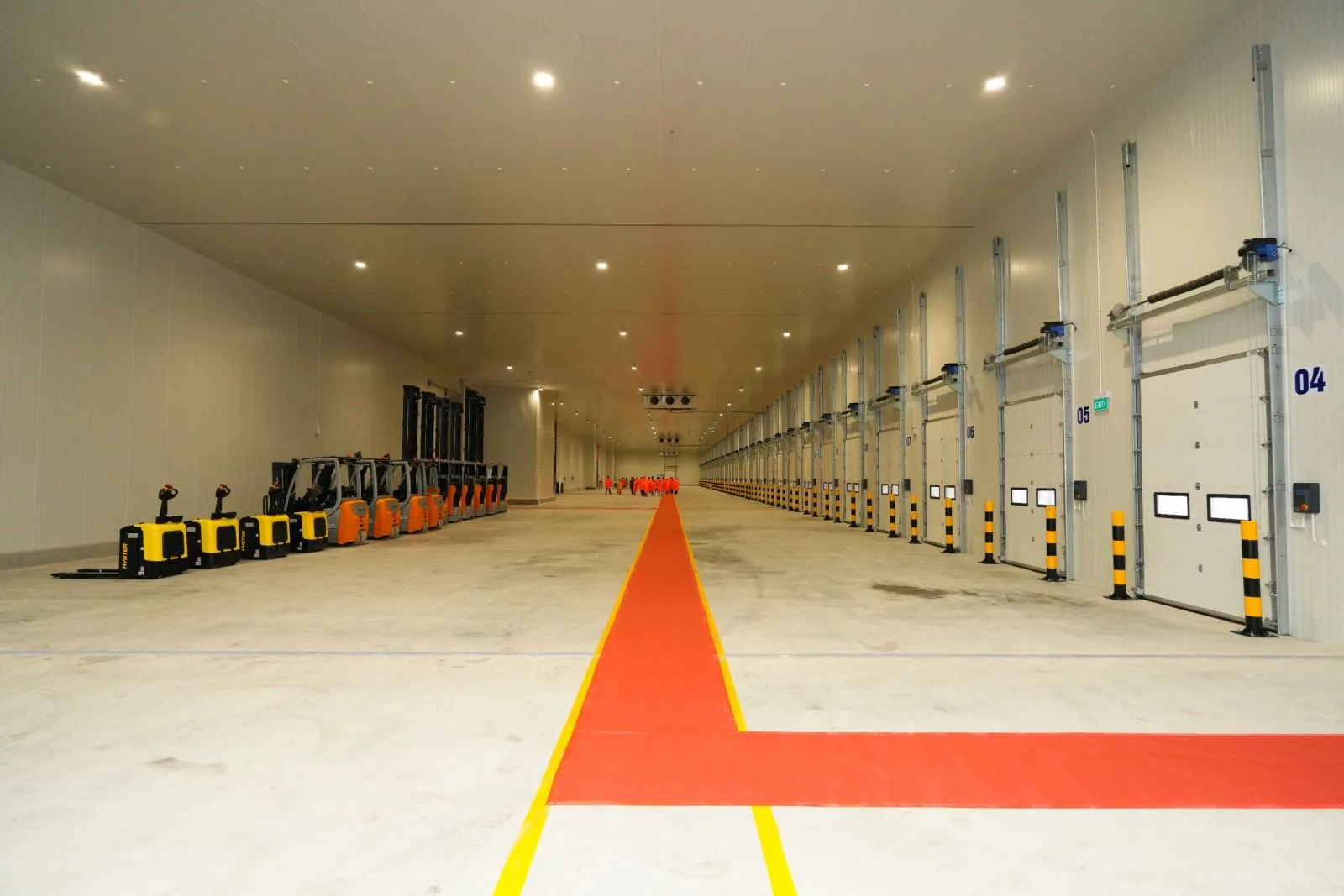
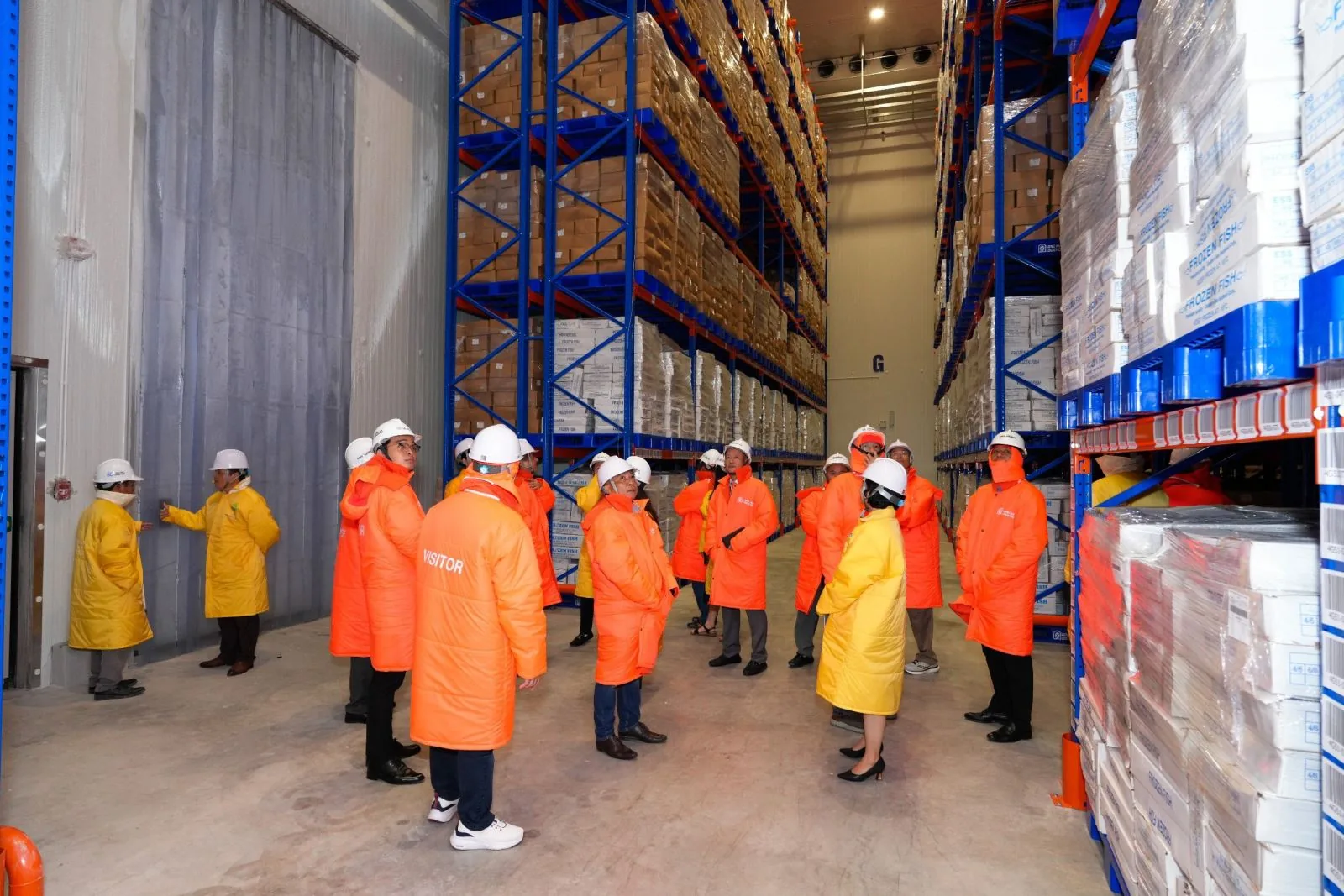
- 4 FM-X 25, 4 EXU 20, 4 RX 20-20
- Handover: 2023
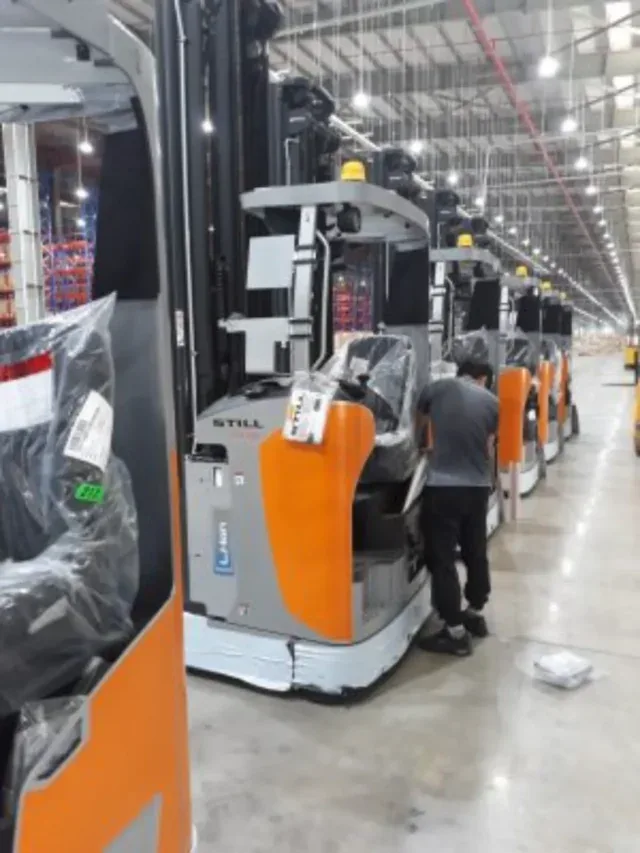
VinFast Hai Phong plant
- FM-X 20 reach truck, EXU 20S pallet mover, R08-20 tow tractor

ABB plant
Transimex cold store, District 9
- 2017: 6 FM-X 20, 4 RX 20-20, 8 EXU-S 20
- Additional order 2019: 4 FM-X 20, 4 EXU-S 25